About the webinar
The threat landscape businesses operate in has changed. Terrorist attacks, sabotage, and civil unrest are no longer risks confined to conflict zones or a handful of high-risk sectors — they touch supply chains, offices, and personnel across industries and borders. At the same time, artificial intelligence and dark web marketplaces have lowered the barrier for bad actors to plan, coordinate, and scale these threats. For security, risk, and business continuity teams, the question is no longer whether to prepare, but whether existing detection practices can keep pace.
What we'll cover
- The most dangerous risks businesses face today, and how the picture has shifted in recent years
- How frequently companies actually encounter terrorist attacks, sabotage, and civil unrest
- Common industry practices for detecting threats — which tools and methods security teams rely on most
- The most frequent mistakes businesses make when responding to these threats
- The role AI and the dark web play in enabling and accelerating these risks
- Building resilience: is there a workable framework businesses can apply?
Meet our speakers
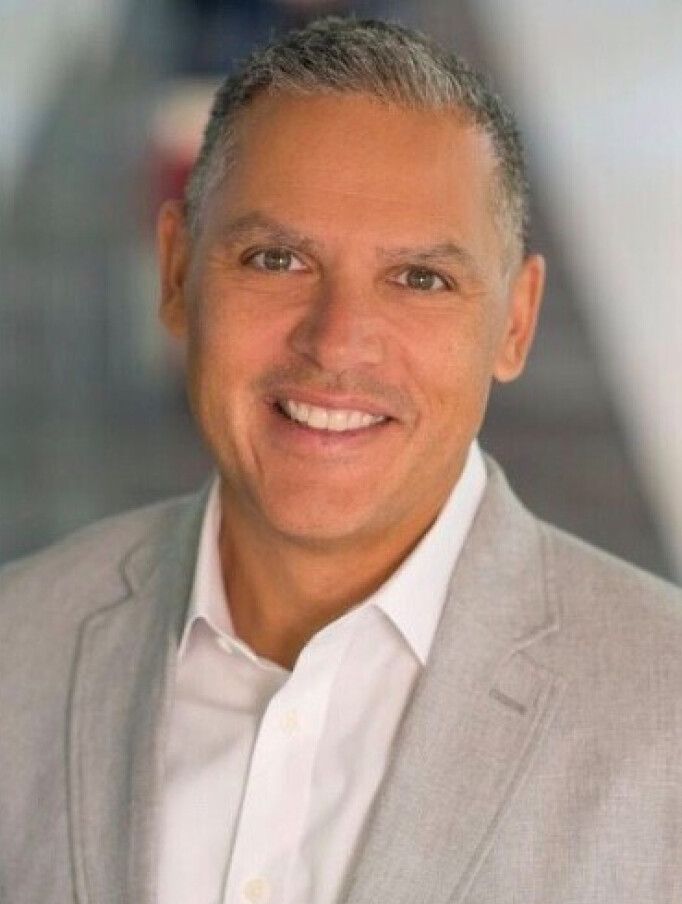
Hector Mastrapa oversees Marriott International's global Risk Management department, spanning Insurance, Finance, Global Safety & Security, Fire Life Safety, Claims, and Business Continuity across Marriott's portfolio of over 10,000 hotels in more than 145 countries. He's active with the Risk and Insurance Management Society, including as a past local chapter president and frequent speaker at its national convention. Hector holds CPCU and ARM designations and a BBA from Andrews University.
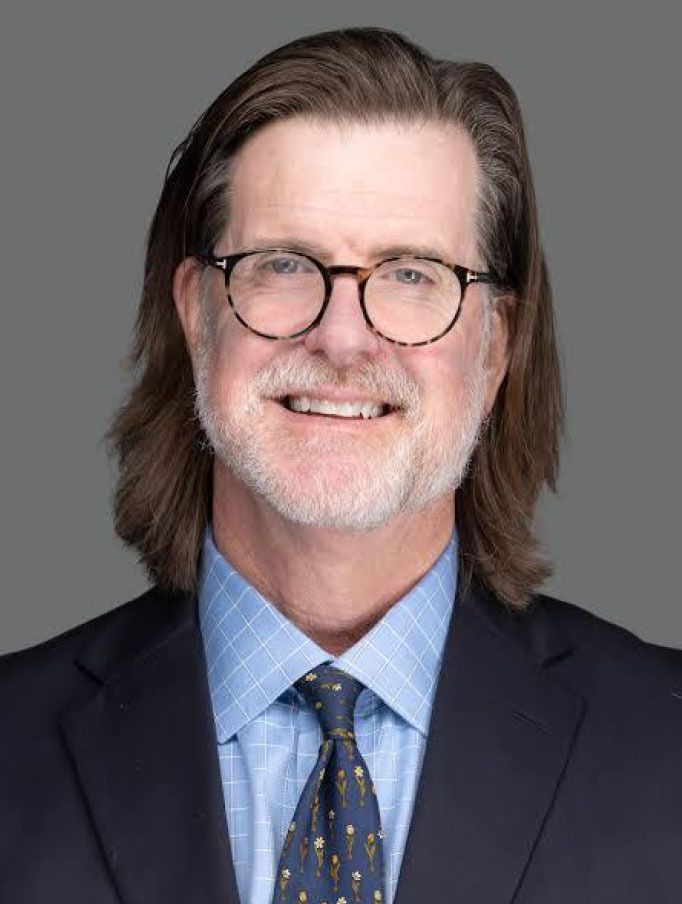
Jay Sampson leads Brown & Brown's Risk Optimization Group, covering alternative risk, captive management, actuarial, analytics, claims, and risk control, and oversees service delivery and risk-finance design for the firm's largest, most complex clients. He also lectures at the University of Georgia's Terry College of Business. With over 37 years in the industry, Jay has deep expertise in primary and excess casualty coverage, property insurance, and captive utilization. He previously spent 18 years at Aon Risk Services, including managing the client executive practice for Atlanta, and began his career in risk management at Ford Motor Company.
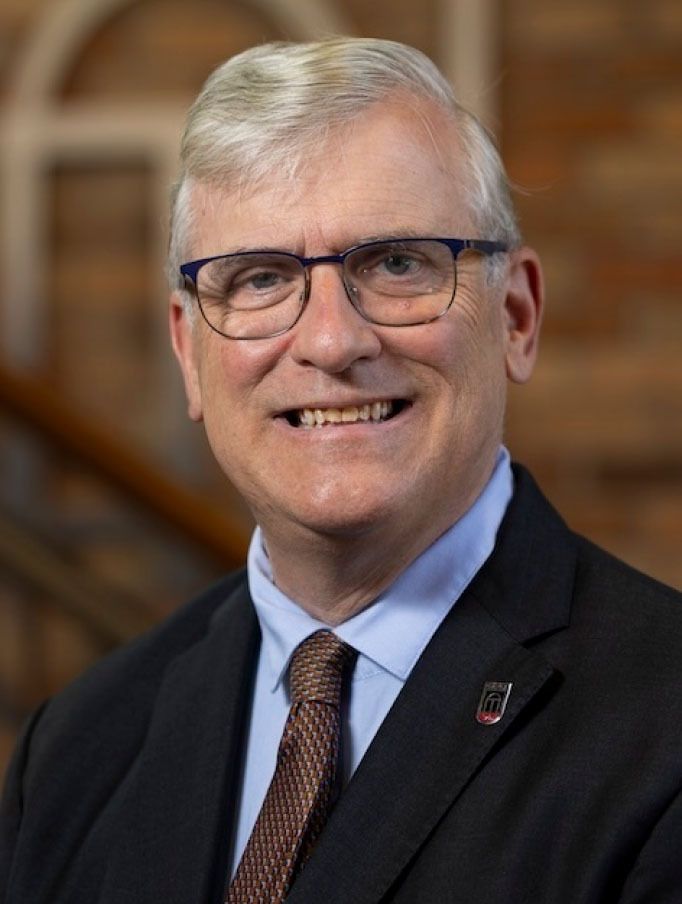
Greg Trevor is coordinator of communications and outreach in the University of Georgia's Office of Public Safety, with 40 years of crisis communications experience as a journalist and PR professional. He advises university leaders on crisis response, runs training exercises for faculty, staff, and students, and guest lectures on crisis communications across North America and Europe. Greg previously served as Senior Director for News and Media Relations at Rutgers and Senior Information Officer for the Port Authority of New York and New Jersey. A survivor of the 9/11 attacks on the World Trade Center, his first-person account has been published worldwide.