


Threats we cover · Overview

Osavul for hybrid threats

Detect hybrid threats early. Osavul connects sabotage, espionage, cyber and FIMI signals in one view and models who may strike your organization, how, where and when.

  • Front-Runner, Gartner Disinformation Security report
  • Deployed for NATO
Aerial view of a European city at dusk

How Osavul helps

How Osavul helps counter hybrid campaigns

Hybrid campaigns are built so that each incident looks like a one-off. A fire here, a drone there, a fake story online. Osavul connects the pieces.

AI Intel Platform features

Capabilities to track hybrid threats

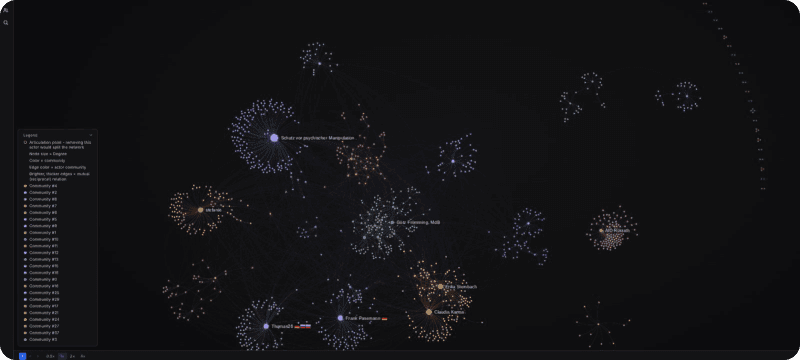
Track threat actors, TTPs and weak signals behind hybrid attacks.

Sabotage, attacks on sites and infrastructure, surveillance and unrest near your locations and people.

Hacktivist campaigns, APT activity, data leaks and attack chatter about your assets on open and dark web sources.

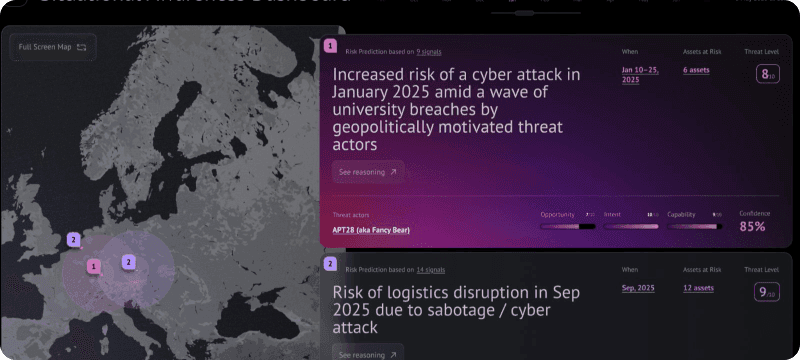
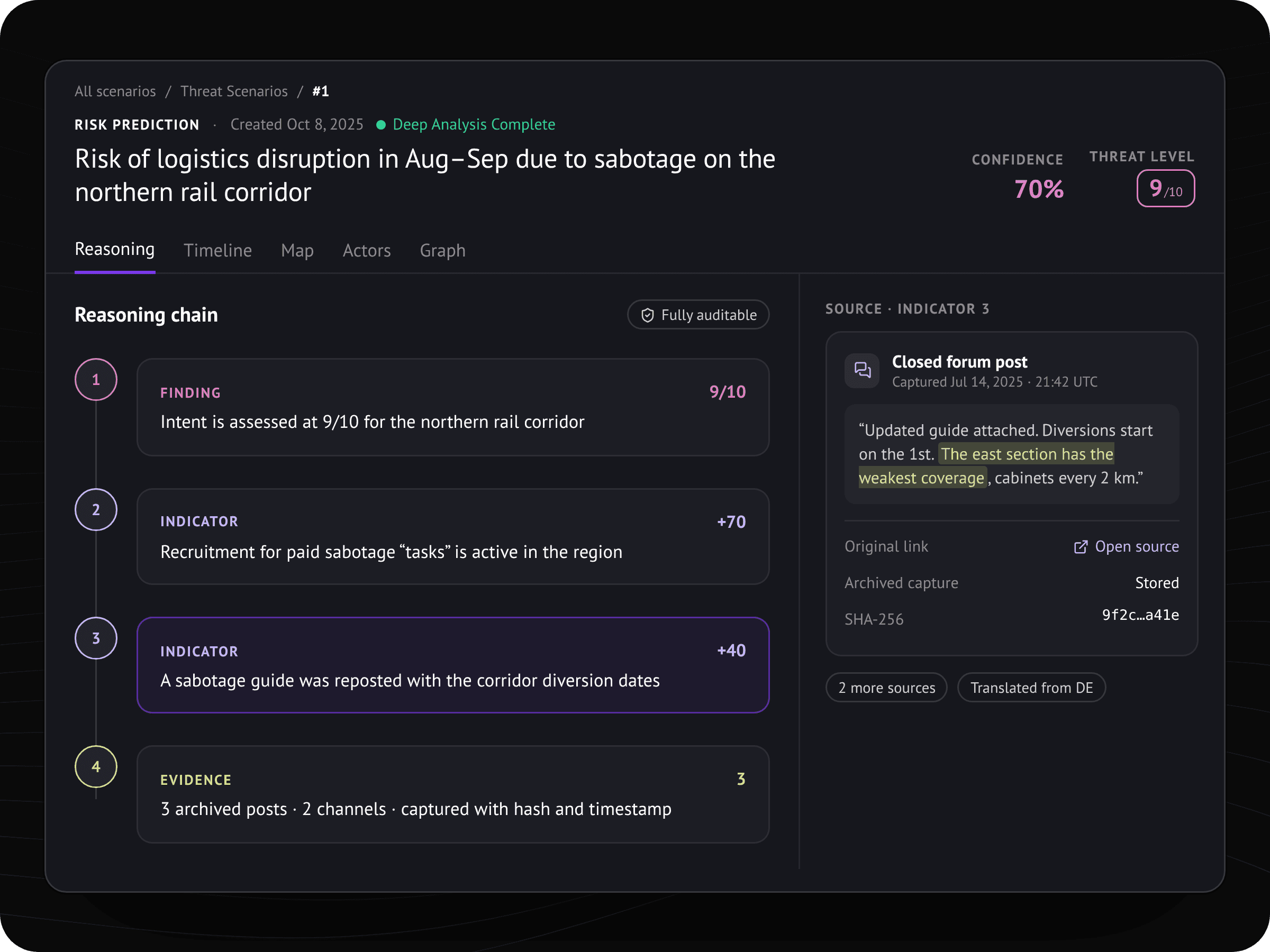
Forecast who may attack, how, where and when, with the reasoning behind every result.

Osavul interface: Auditable evidence chains and transparent reasoning in threat assessment software

Hybrid means multiple things and that was our biggest insight. No one specific vector should be siloed.

Co-Founder and CEOOsavul
Janus threat forecast for a Western European national rail operator

Case study · Sabotage · Critical infrastructure

How a Western European national rail operator anticipates sabotage threats to its network

Janus risk modeling across sabotage, espionage and influence signals targeting rail assets, stations and staff.

Read the case study
FAQ

Frequently asked questions

Short answers for security, risk and policy teams.

Talk to a threat analyst

A hybrid threat is a coordinated campaign by a state, or by someone acting for one, that mixes tools: sabotage, cyberattacks, espionage, FIMI, economic pressure. There's a strategic goal behind it, yet it stays below the threshold of war. The EU and Hybrid CoE stress the mix itself. A lone cyberattack isn't hybrid.

Hybrid warfare sits at the escalated end of the same scale. Military means come into play and deniable pressure turns into open coercion. Below that line, actors still hide behind proxies, cyber operations and information manipulation. A 2026 European Parliament briefing puts the difference down to coordination, purpose and escalation.

Defense production, military logistics, transport, energy and public administration are under the most pressure. In its October 2026 outlook, ACLED expects attacks on railways, ports, undersea cables and energy sites, mostly in Germany, Poland and the Baltic states. And ENISA found that 73% of organizations hit by cyberattacks in 2025 fall under the NIS2 Directive.

Look at the preparation phase. Ads offering easy paid tasks, people scouting a site, drone sightings and hostile narratives often surface days or weeks before an attack. Osavul picks them up in open, social and underground sources, ties them to your assets and to your critical infrastructure protection duties, and alerts your team.

Yes. You can run Osavul on-premise or in a sovereign cloud and connect it to your SIEM or other tools by API, which keeps your data under your control. Setup, integrations and onboarding are done together with Osavul analysts, solution architects and engineers.

See where your organization is exposed

Get a demo built around your sites, people and sector.

Book a demo
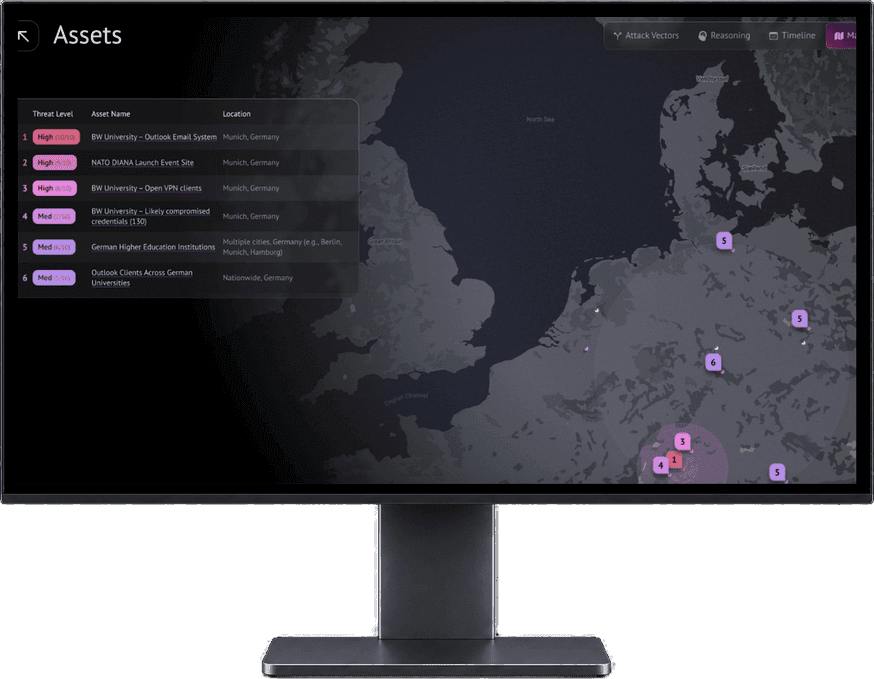
Janus risk intelligence platform on a monitor