Case study · Espionage
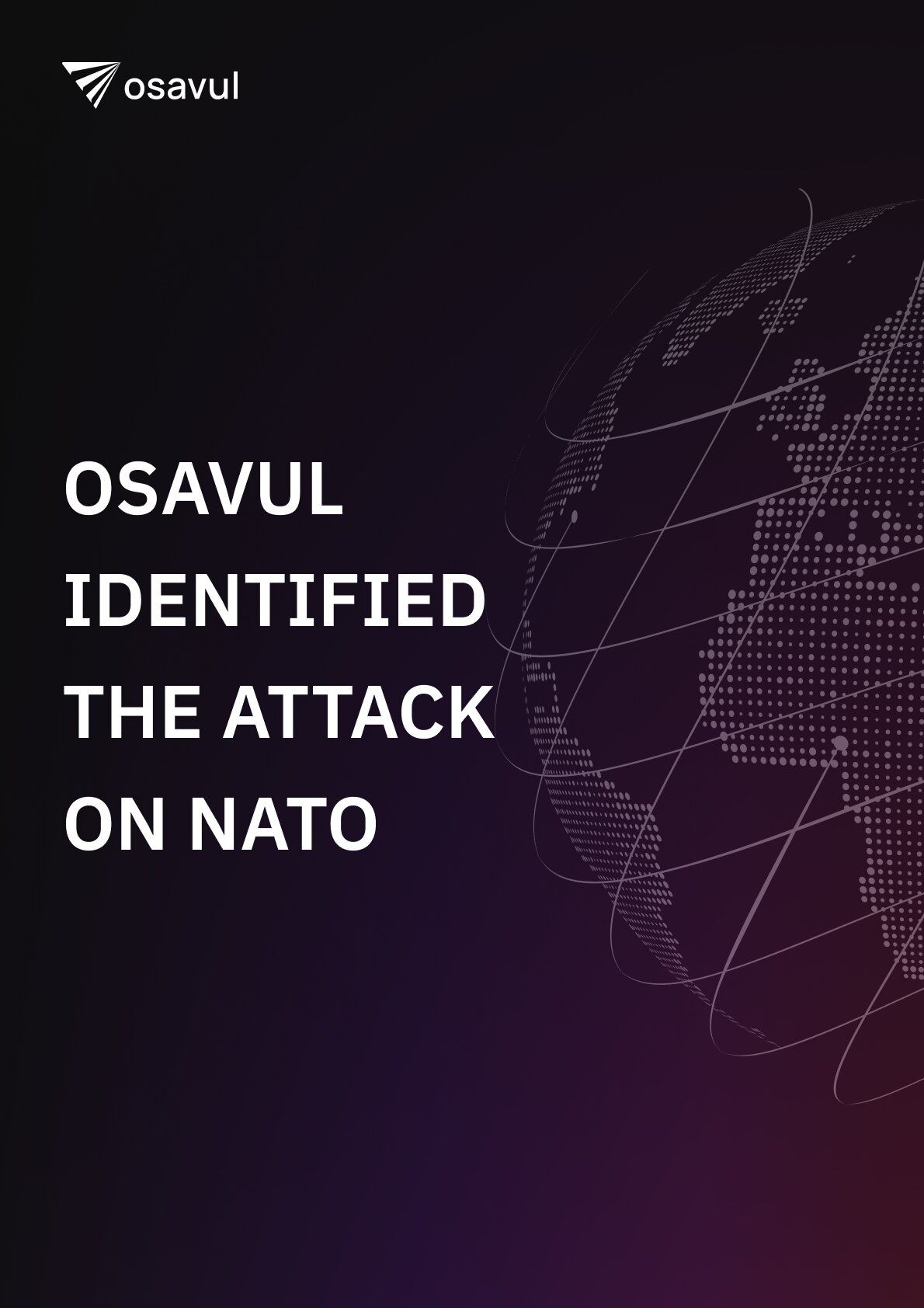
How Osavul spotted a LinkedIn espionage campaign against NATO before it took shape
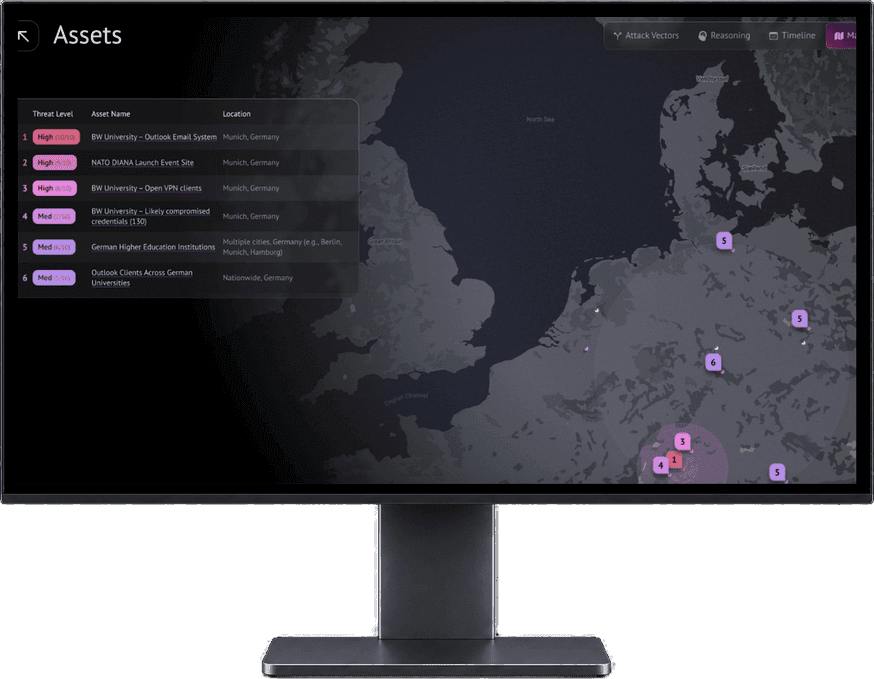
Janus modeled a LinkedIn recruitment campaign against NATO and EU officials two months before it was made public.
Read the case studyAI Intel Platform
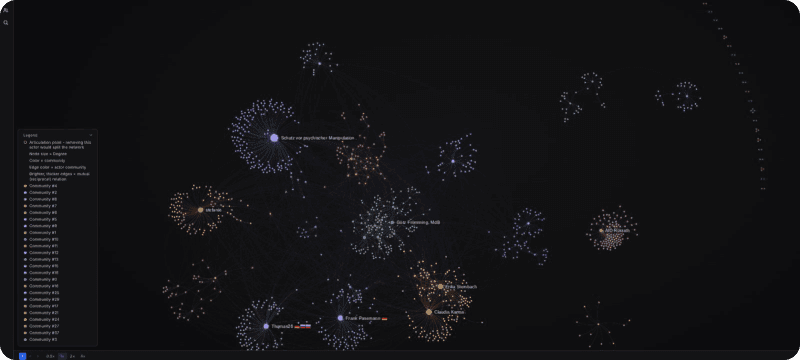 Data intelligence platformNebulaAccess and enrich data from 10+ data types, including messaging apps and underground communities, and get it in the form your analysts need.Explore Nebula
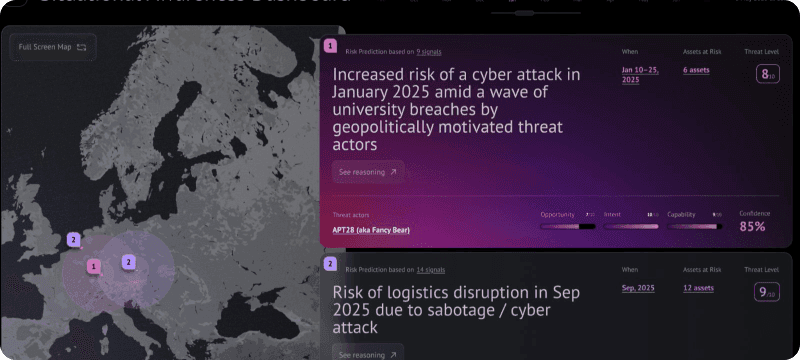 Risk intelligence platformJanusTrack physical, cyber, cognitive and hybrid threats, get early warning and model who may attack, how, where and when.Explore Janus
Products
 Osavul for Corporate SecurityDetect sabotage, espionage, and influence operations targeting your people, sites, and operations, with real-time alerts and AI risk modeling.
 Osavul for National DefenseHybrid threat intelligence and information environment assessment for defense and security institutions, from early warning to response.
 Osavul for Strategic CommunicationsDetect, analyze, and counter FIMI campaigns with narrative intelligence across social media, Telegram, and the open web in 100+ countries.
 Osavul for Brand ProtectionIdentify narrative attacks, coordinated inauthentic behavior, and reputational risks targeting your brand before they escalate.
Solutions
Find the right setup by use case, industry, or team.
By use case

By team · Cyber Threat Intelligence & CISO
External threat intelligence that tracks hacktivists, leak campaigns, influence operations and threats to executives beyond your perimeter. When a DDoS hits, you'll see who claims it and what story comes with it.
Why it matters
CrowdStrike says AI-enabled adversaries were 89% more active in 2025. ENISA puts hacktivism at about 80% of reported EU incidents, mostly DDoS timed to elections. Few of these reports reach the board in a form it can use.
89%
Rise in attacks by AI-enabled adversaries in 2025, compared with 2024.
Source: CrowdStrike, 2026 Global Threat Report, February 2026
26%
Of CISOs say threat intelligence strongly influences their decisions, even though 91% value it.
Source: SANS 2026 Cyber Threat Intelligence Survey, May 2026
~80%
Of reported EU incidents were hacktivism, mostly low-impact DDoS that spiked around elections.
42%
Of responses name cyber incidents a top business risk. It's been #1 five years running.
How Osavul helps
A feed can say an IP address is malicious. It won't say which crew used it, what they posted on Telegram an hour later or who they named next. Each CTI analyst gets that part from Osavul.
A DDoS claim, a leak dump, a defaced homepage. Osavul's cyber threat intelligence ties them to cyber-enabled influence operations so you judge the real damage.
Janus, Osavul's risk intelligence platform, profiles state-linked groups, proxies and hacktivist crews: their TTPs, their targets and where they like to post.
Push outside context into your SIEM and other tools via API. Then cover the human and physical side of an attack that an IOC feed never shows.
The threats, actors and trends that matter to the business, with sources, in language the board follows. Handy for board reporting and NIS2.
Use cases
The use cases security leaders rely on most.

Sabotage, espionage, cyber and influence signals about your sites, in one place. Explore threat intelligence →
Fake profiles, leaked data and social media threats, found early. Explore digital risk protection →

Threats to your leadership and site managers, caught early. Explore executive protection →

A fake video of your CEO, flagged before it goes viral. Explore deepfake detection →
Hybrid means multiple things and that was our biggest insight. No one specific vector should be siloed.
Case study · Espionage
Janus modeled a LinkedIn recruitment campaign against NATO and EU officials two months before it was made public.
Read the case studyExternal threat intelligence covers what happens outside your network before it reaches you. A crew on Telegram picks your payment page for next week's DDoS. Staff passwords turn up in a forum dump. Someone opens a LinkedIn profile with your CFO's photo. Your SIEM won't see any of that until the attack lands.
Start by asking the business what it actually wants to know. Which crews go after companies like ours? Is our customer data for sale? Pick sources that can answer that, and agree who hears about each finding. A year in, count incidents caught early, takedowns and budget that moved. Malware is only part of it.
Often they're one operation with two halves. The DDoS or the leak gets the headline; coordinated accounts then exaggerate the damage or attach a political message. ENISA has seen state groups dress up as hacktivists. Put the influence operations and the cyber events on one timeline and you'll usually see what the attack was for.
Only what a board member can read in two minutes. Top threats to the business and who's behind them. Is exposure up or down since last quarter? Which incidents are still open, and are the main controls holding? Osavul fills in the outside view: campaigns, leaks, threats to executives, stories that could become a crisis.
No, keep it. IOC feeds do their job and Osavul doesn't try to copy them. It covers what they skip: the actors, their narratives, leaked data, physical threats. All of it goes into your SIEM through the API. Then the same analyst sees the malicious IP and the Telegram channel bragging about it, on one screen.
Book a demo to see the actors interested in your sector.
Book a demo