



The vote is counted on one day. The battle for it starts months earlier
Modern election interference targets public trust rather than voting technology. Campaigns use narrative seeding, targeted messaging, synthetic personas, and automated amplification to undermine confidence in democratic processes long before the first vote is cast.
About the webinar
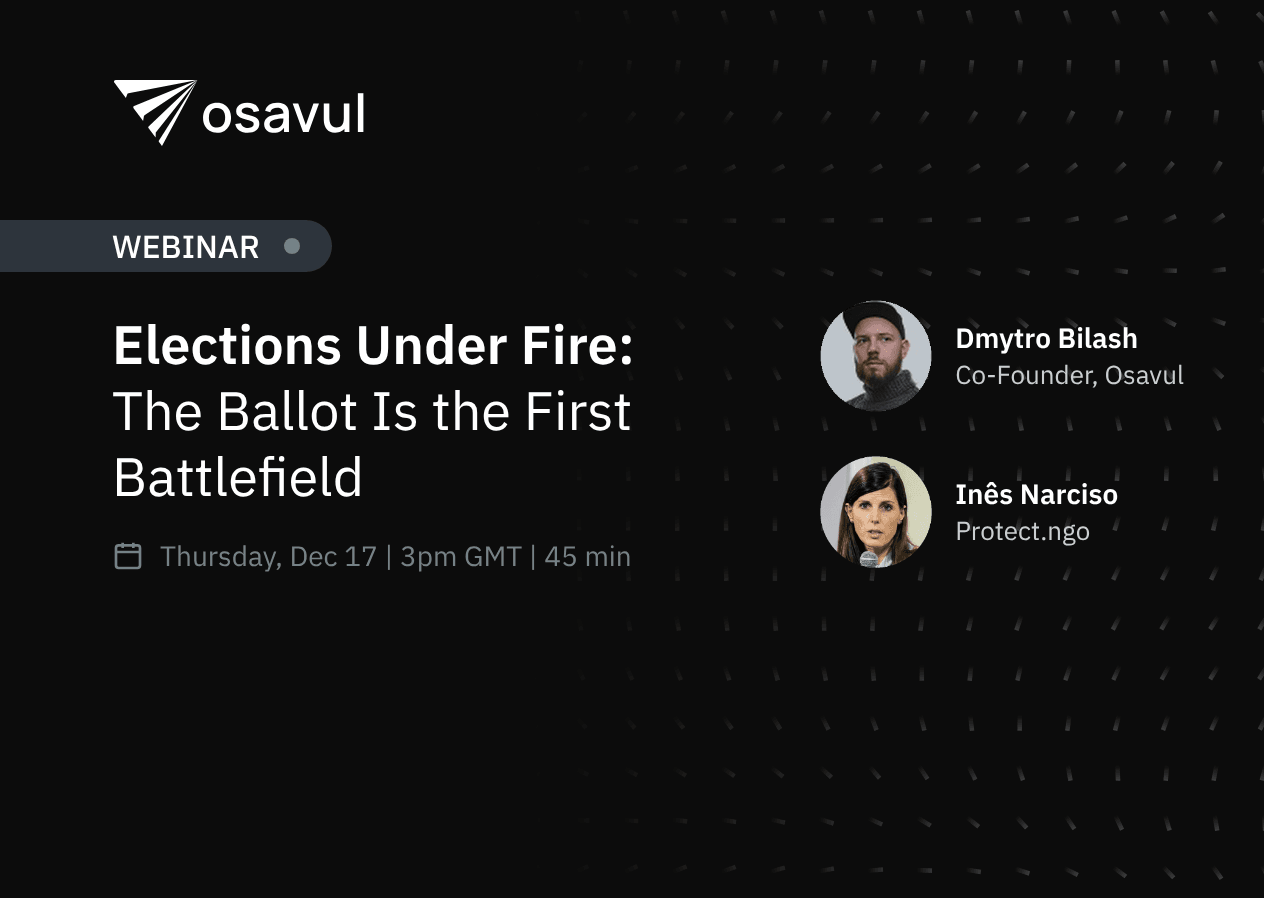
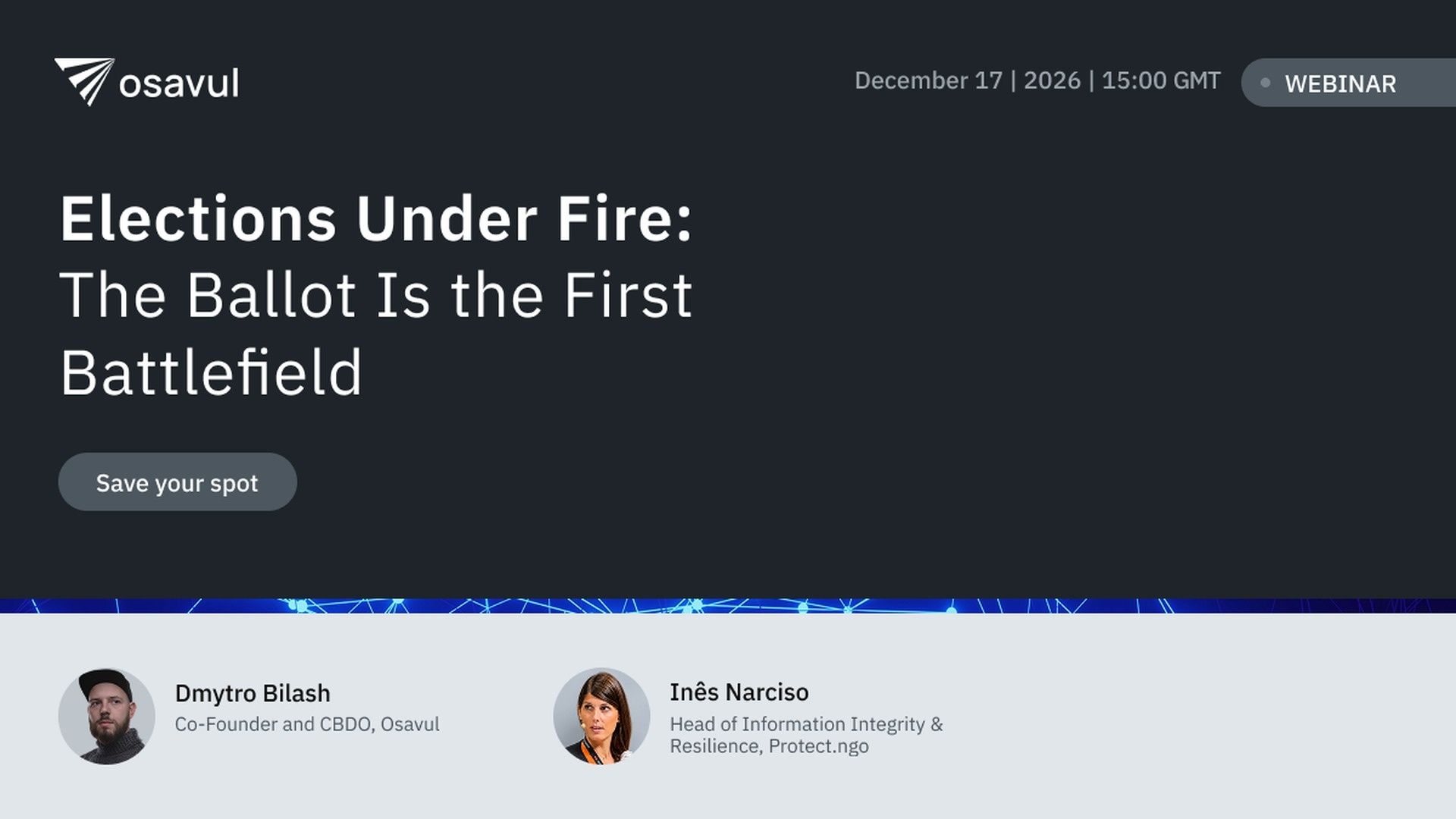
With elections ahead in 2027, including in France, Finland, Estonia, and Bulgaria, the next interference campaigns are likely already being prepared. In this 45-minute briefing for public sector leaders, Osavul and Inês Narciso of Protect.ngo break down election interference as a cognitive operation that runs for months, not days, and show step by step how a campaign can be detected and assessed before it shapes the vote.
What we’ll cover
- From the ballot box to the mind. Why interference has shifted from infrastructure to perception, and why changing what voters believe is cheaper and harder to prove than changing votes.
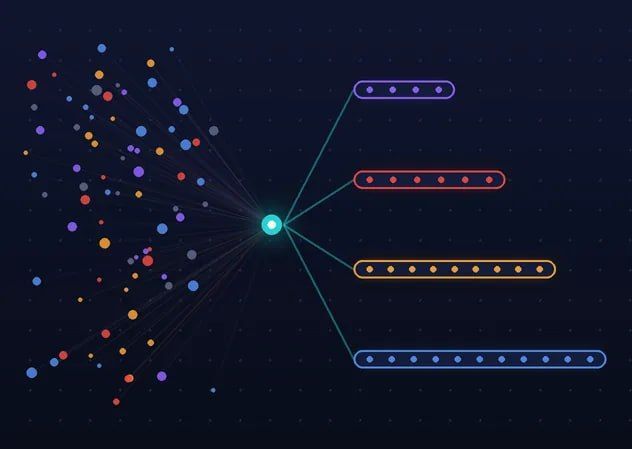
- The building blocks of a cognitive operation. Narrative seeding, micro-targeting, synthetic personas, bot amplification, and engineered distrust in the result.
- The lifecycle of an operation. What happens before, during, and after the vote, from audience building to “rigged result” narratives.
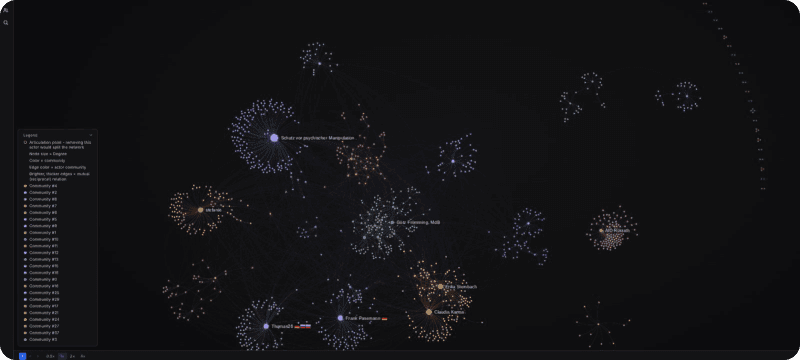
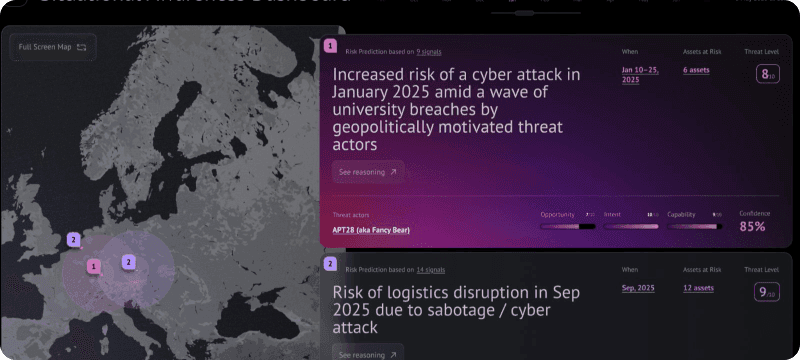
- Detection, step by step. A walkthrough of how analysts spot the signal, trace the seed, map the targeting, expose the network, and assess the impact using the Osavul platform.
- An election integrity checklist. A one-page guide for before, during, and after the vote, shared with all attendees.
Meet our speakers
Dmytro Bilash is Co-Founder and Chief Business Development Officer at Osavul, and a second-time founder whose previous company, Captain Growth, was acquired by Perion (NASDAQ: PERI).
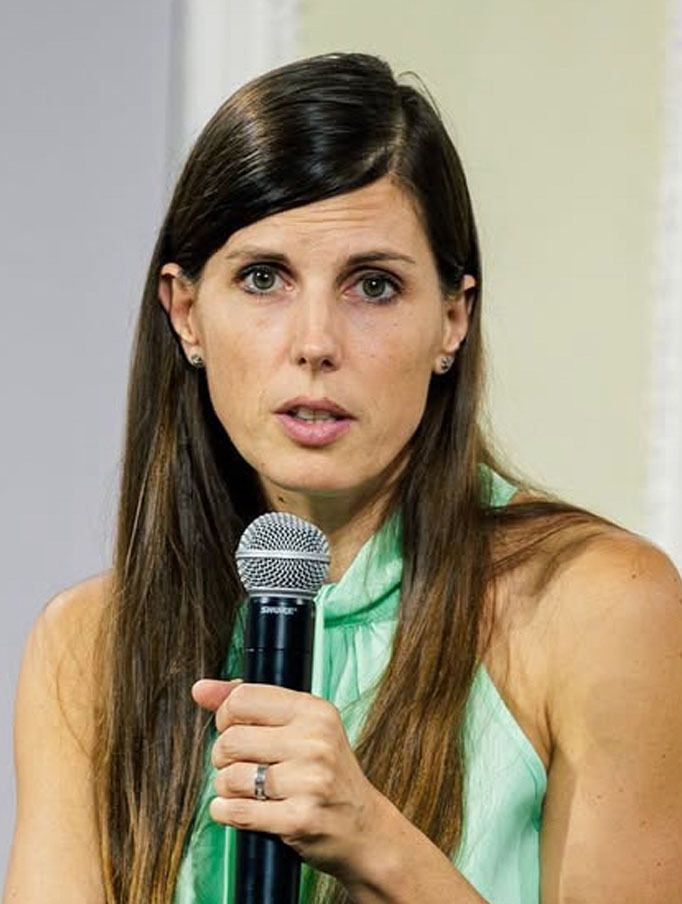
Inês Narciso is Head of Information Integrity and Resilience at Protect.ngo and an OSINT expert specializing in information manipulation. She spent 12 years working in OSINT at a Portuguese national security organization, and her research covers information manipulation around Portugal’s 2019 elections.