About the episode
Most people now get their news from social media — not from traditional outlets. That shift has fundamentally changed how narratives form, how fast they spread, and how much damage they can do to a reputation before anyone has a chance to respond.
In this episode of Launch & Learn, Jared Meade — founder of Rayne Strategy Group — explores how platforms like TikTok, Reddit, and Telegram have become the primary arenas for narrative formation. The conversation moves from theory to practice: how organizations should think about monitoring, when to respond, and when silence is the smarter choice.
Jared draws on real cases to show how the same event can become a reputational crisis or a brand opportunity — depending entirely on how well an organization understands the conversation happening around it.
What we cover
- How emerging media channels have shifted power away from traditional gatekeepers
- Why social media amplification moves faster than any organization's ability to respond
- How the public has become an active investigator — not just a passive audience
- The difference between low-level noise and a threat that requires action
- How bots can amplify real grievances — and why dismissing them as "just bots" is a mistake
- Frameworks for deciding when to respond, when to lean in, and when to stay quiet
- Which platforms matter most for monitoring — and how to prioritize based on your audience
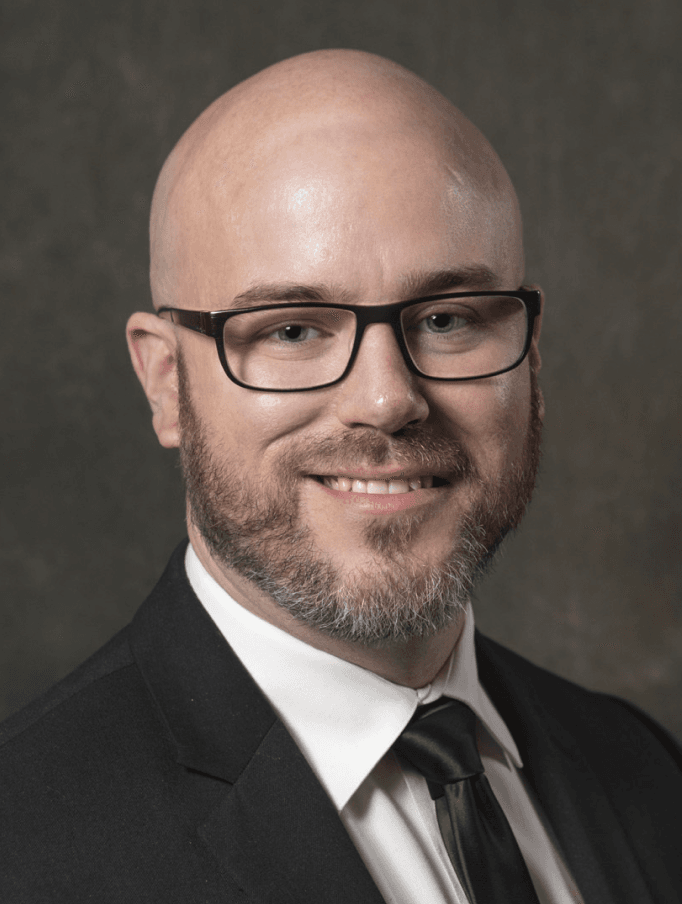
Meet Jared Meade
Jared Meade has spent more than two decades helping brands — from local to global — navigate complex communications challenges and build reputations that inspire trust. He is the creator of the #PRethics movement, which has raised the bar for honesty and integrity in the public relations industry.
His work has been recognized with the 2024 ICCO Global Award for Improving Society and the Reputation of Public Relations, the 2025 Davos Communications Award for Outstanding Freelancer of the Year, a 2025 Gold Hermes Creative Award, and a 2025 Toledo Press Club Touchstone Award. He also serves as an adjunct professor and holds leadership roles with PRSA, PRCA, CIPR, and WCFA.
Watch the podcast