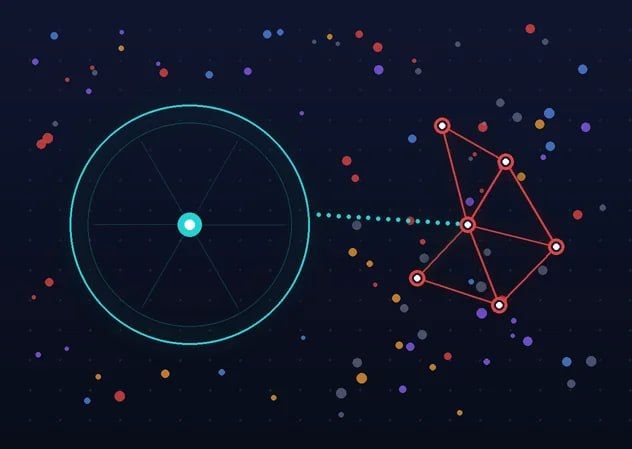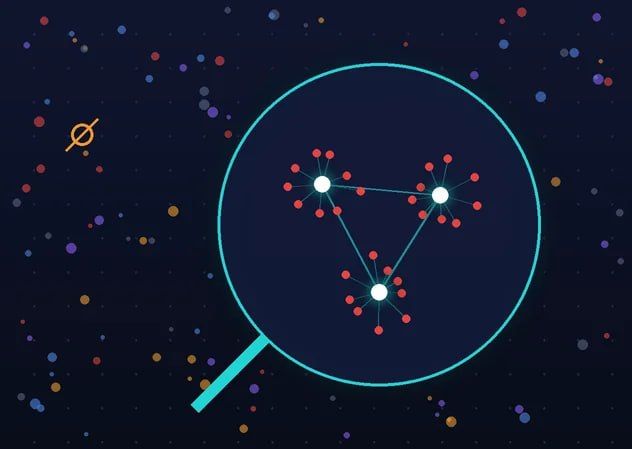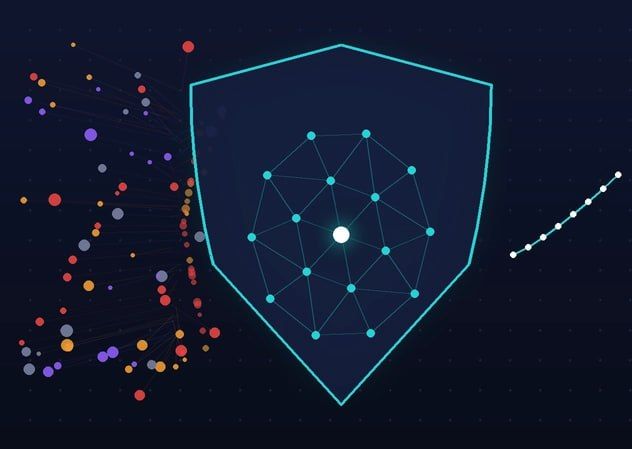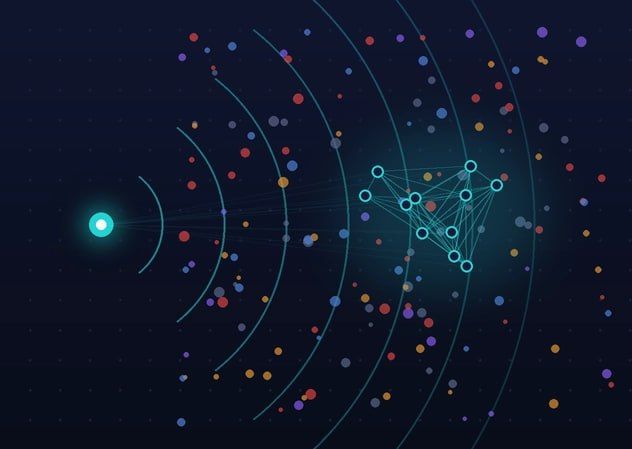
In the past, if you secured the code, you secured the user. Today, you can have the most secure software in the world and still lose the war if the people using it are being manipulated by coordinated foreign campaigns.
We’ve seen a shift from traditional hacks to "cognitive" ones. The goal isn’t to crash your network or steal your password; it’s to mess with the way you see the world. When the information environment itself is being poisoned, a firewall won't save you. Everyone needs Nebula, which can spot these manipulations before they take root in the public consciousness.
It is called Foreign Information Manipulation and Interference (FIMI).
To be clear, this isn't just someone's uncle posting "fake news." It is a calculated, professional effort to destabilize societies from the inside out. To fight back, the security community has moved away from just "fact-checking" and toward using structured FIMI frameworks that let us defend our information space as rigorously as we defend our data.
What is FIMI, and why is it different?
The term FIMI describes a pattern of behavior where a foreign actor uses manipulative tactics to disrupt the political or social discourse of another state. Unlike simple misinformation - which might be an honest mistake - FIMI is intentional and organized. It sits at the intersection of information operations and hybrid warfare.
The hardest part of explaining this to traditional software security experts is the lack of a "payload" in the traditional sense. There is no malware to scan. The "malware" is the narrative itself, and the "delivery mechanism" is a complex web of social media accounts, proxy websites, and automated bots. This is why a standardized FIMI framework is so important. It gives us a common language to describe what we are seeing.
The Need for Structured Analysis
In the early days of OSINT (Open Source Intelligence), analysts often relied on intuition. They would see a suspicious trend and try to trace it back to a source. But intuition doesn't scale. If you are monitoring millions of data points across multiple languages and platforms, you need a repeatable methodology.
Using various FIMI frameworks, we can categorize different types of interference. This categorization allows for better data sharing between nations and organizations. For a look at how international bodies are standardizing these efforts, the EEAS Information Integrity resources are a helpful source for understanding the global response.
Breaking Down the ABC Framework (Actors-Behavior-Content)
Breaking Down the ABC Framework (Actors-Behavior-Content)
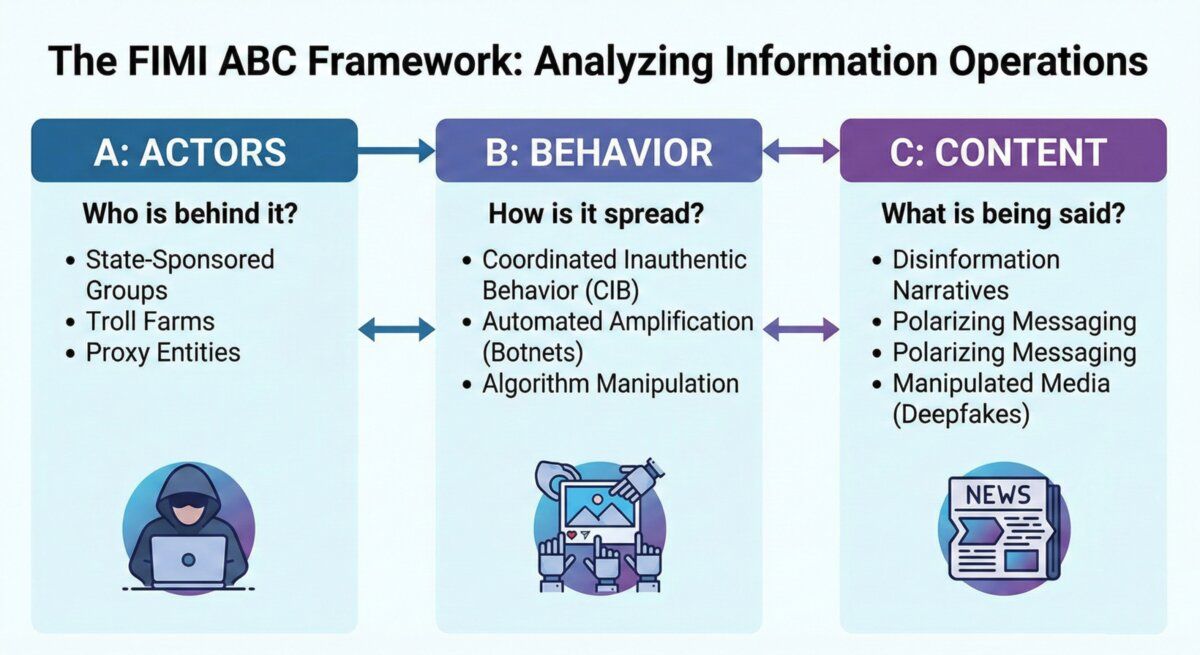
One of the most effective ways to analyze an information attack is by using the ABC framework (Actors-Behavior-Content). This model, popularized by researchers like Camille François, moves away from just looking at the "truth" of a post and instead looks at the mechanics of the operation.
1. Actors
The first pillar of the ABC framework (Actors-Behavior-Content) focuses on who is behind the operation. In the world of information assurance, attribution is notoriously difficult. Actors can range from state-sponsored intelligence units to "troll farms" and even unwitting domestic influencers.
When we analyze actors, we look for connections. Are these accounts linked to known disinformation clusters? Is the metadata showing a geographical origin that contradicts the account's claimed identity? Identifying the actor is the first step in understanding the "why" behind the interference.
2. Behavior
As a PhD in network security, this is the area I find most compelling. Behavior is about the "how." It focuses on the tactics, techniques, and procedures (TTPs) used to spread a narrative. This includes the use of botnets for artificial amplification, "coordinated inauthentic behavior" (CIB), and the manipulation of platform algorithms.
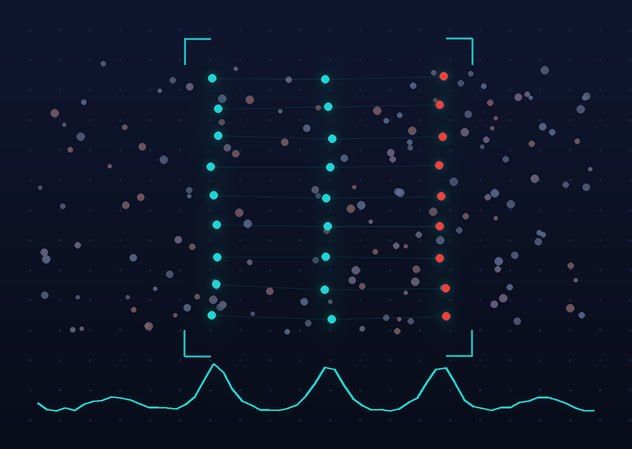
If a thousand accounts all post the exact same sentence within a three-minute window, that is a behavioral red flag. It doesn't matter if the sentence is true or false; the behavior is inauthentic. This behavioral focus is a core component of the ABC framework (Actors-Behavior-Content) because it allows platforms and researchers to take action based on clear violations of service terms, rather than becoming arbiters of truth.
3. Content
The final pillar is the message itself. Content analysis looks at the narratives being pushed. Is the goal to spark fear, sow doubt about an election, or exacerbate existing social tensions? In FIMI operations, the content is often "gray" - a mix of facts, half-truths, and blatant lies. By mapping the content, we can see the evolution of a campaign and predict where it might go next.
Why are multiple FIMI frameworks so effective?
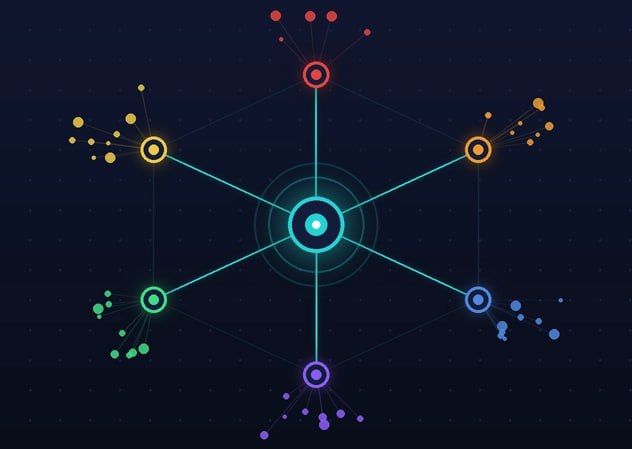
No single model covers every aspect of the threat. While the ABC model is excellent for platform-level moderation, other FIMI frameworks provide different perspectives. For example, the DISARM framework (formerly AMITT) is modeled after the MITRE ATT&CK framework used in cybersecurity. It breaks down an operation into specific stages, from planning and seeding to persistence and impact.
Having a variety of FIMI frameworks available means that whether you are a policy maker, a data scientist, or an OSINT analyst, you have a tool suited for your specific task. We use these different lenses to build a multi-layered defense. In some cases, we might focus on the technical infrastructure (behavior), while in others, we are more concerned with the geopolitical intent (actors).
How to identify a Foreign Information Manipulation and Interference framework in action?
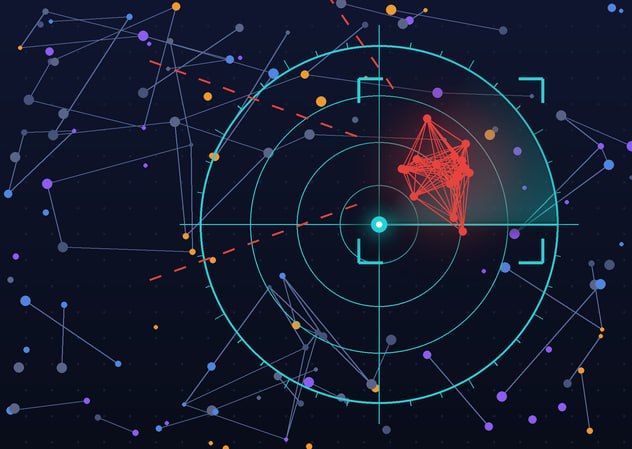
In a real-world scenario, identifying an operation requires looking for the intersection of these pillars. For instance, if we see a sudden spike in a specific narrative (Content) being pushed by newly created accounts with no previous history (Actors) using automated posting schedules (Behavior), we can confidently classify it as an interference attempt.
The application of a consistent FIMI framework ensures that our response is evidence-based. Experts value data privacy and information assurance above all. We cannot simply shadow-ban or delete content because we dislike it. We need a framework that proves the information environment is being manipulated.
The Role of Technology in Fighting FIMI
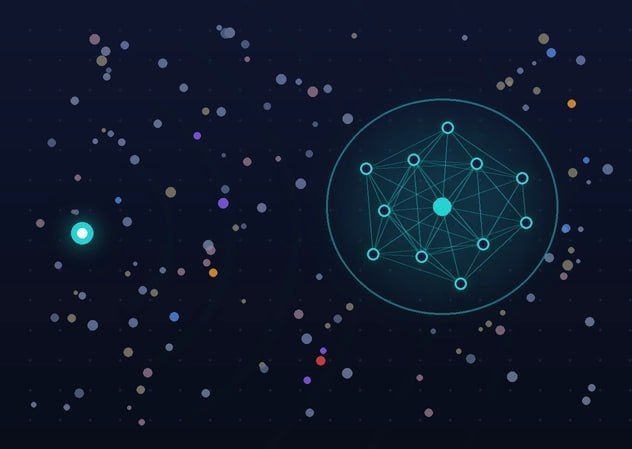
Manual analysis is no longer enough. The speed at which narratives evolve - especially with the advent of generative AI - means we need automated systems. We need algorithms that can detect the subtle signatures of coordinated inauthentic behavior across different platforms.
Using FIMI frameworks as the basis for these algorithms allows us to build "detection by design."
Instead of chasing individual posts, we can monitor for the structural patterns of an attack. This is where infoOps experts' background in software security comes in. We treat the information space like any other network that needs to be secured against malicious actors.
Strengthening Resilience
A recurring question is whether we can ever "win" this war. The reality is that as long as there is geopolitical competition, there will be information manipulation. However, by utilizing Foreign Information Manipulation and Interference frameworks, we can significantly raise the cost for the attackers.
When we standardize our detection and response, we make it harder for foreign actors to operate in the shadows. We also help build public resilience. When people understand the "Behavior" and "Actors" behind the "Content," they are less likely to be manipulated by it.
Practical Steps for the Security Community
If you are working in information security or OSINT, the first step is to integrate a FIMI framework into your daily workflow. Don't just look at what is being said; look at how it is being spread and who might benefit from it.
- Adopt a standard: Whether it is the ABC model or DISARM, use a recognized system for your reports.
- Collaborate: Information interference doesn't stop at borders. Sharing data across FIMI frameworks helps build a global picture of threat actors.
- Focus on Behavior: Narratives change daily, but the underlying tactics of manipulation are often consistent.
The goal of our work isn't just to stop a single lie. It is to protect the integrity of the systems we use to communicate and make decisions. By applying the same rigor we use in cryptography and network security to the world of information, we can create a more secure and transparent digital future. The complexity of Foreign Information Manipulation and Interference frameworks might seem daunting at first, but they are the most effective tools we have in the fight for a truthful information environment.