About the episode
Venezuela offers one of the clearest long-running examples of how control of the information environment becomes a pillar of authoritarian power.
Traditional media has largely disappeared, independent journalism survives mainly online and in exile, and most citizens receive news through fragmented, informal channels shaped by censorship, surveillance, and fear.
In this episode of the Osavul Launch & Learn sessions, we focus on Venezuela’s information infrastructure —how information flows under pressure, how people adapt to restrictions, and what this reveals about modern systems of information control.
Recorded in early 2026, as events on the ground continue to evolve, the conversation steps back from daily headlines to examine the deeper structures shaping what people in Venezuela see, hear, and share.
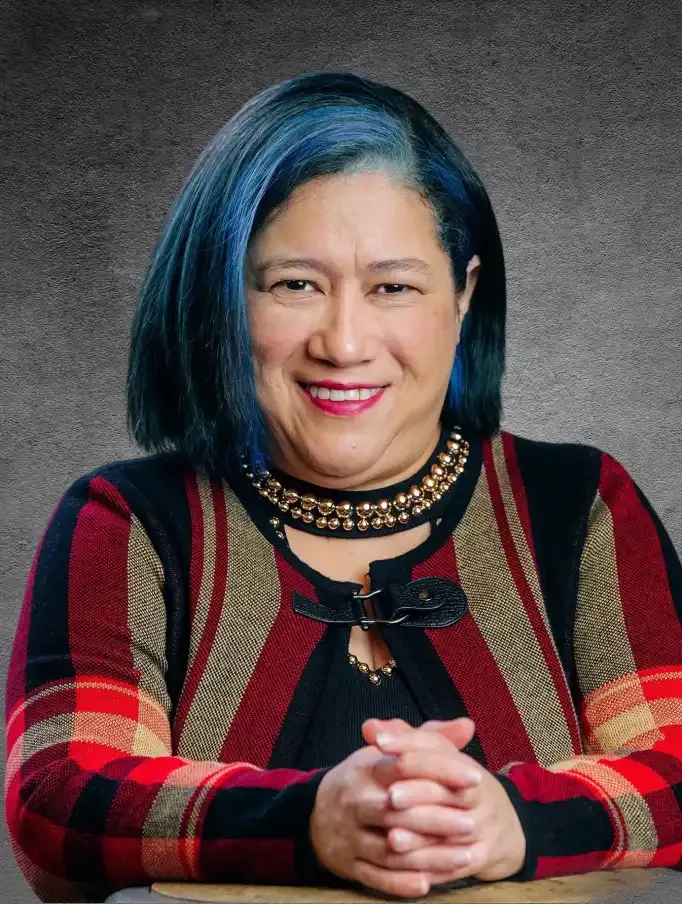
We invited Iria Puyosa, Senior Research Fellow at the Atlantic Council, to discuss these topics. She specializes in the relationship between technology and political dynamics.
Over the past decade, Puyosa has researched information operations that undermine democratic institutions and fuel political instability. Her work highlights how Latin American authoritarian regimes use technology to silence dissent, surveil citizens, and control information flows. She has been a visiting professor at the Center of Latin American Studies at Brown University and chaired the Section on Venezuelan Studies in the Latin American Studies Association.
Puyosa holds a PhD from the University of Michigan and has authored several scholarly publications on information operations and digital authoritarianism, including The Control of the Information Environment as a Pillar of Authoritarian Consolidation and Asymmetrical Information Warfare in the Venezuelan Contested Media Spaces.
Agenda
1. Venezuela’s information infrastructure
How the collapse of printed media, tight control of broadcasting, and the shift to digital-only outlets have reshaped how information is produced and consumed.
2. Dominant narratives and influence dynamics
The key narratives promoted domestically and internationally, and how long-running information operations adapt messages for different audiences.
3. Visibility gaps and emerging trends
Why Venezuela receives limited attention in Western media today, and how trends in the information space are evolving amid growing geopolitical and security tensions.
Watch the podcast