Talk to any expert in the information security world - the people analyzing network packets and data flows - and they’ll tell you the thing that worries them most isn't always a software bug. It’s the chaos happening inside people's heads.
It is a weird time. You open your phone and get hit with a firehose of content, much of it garbage. In Ukraine, the reality is harsh but clear: a lie can do as much damage as a missile, it just takes a different path. That’s why vague terms like "fake news" are useless for actual defense. To protect ourselves, we have to stop treating misinformation vs disinformation as synonyms. They are completely different things, and failing to see that difference is where the real danger lies.
What is misinformation?
Let’s start with the lighter stuff. When people ask what is misinformation, experts usually tell them to look at their family group chat.
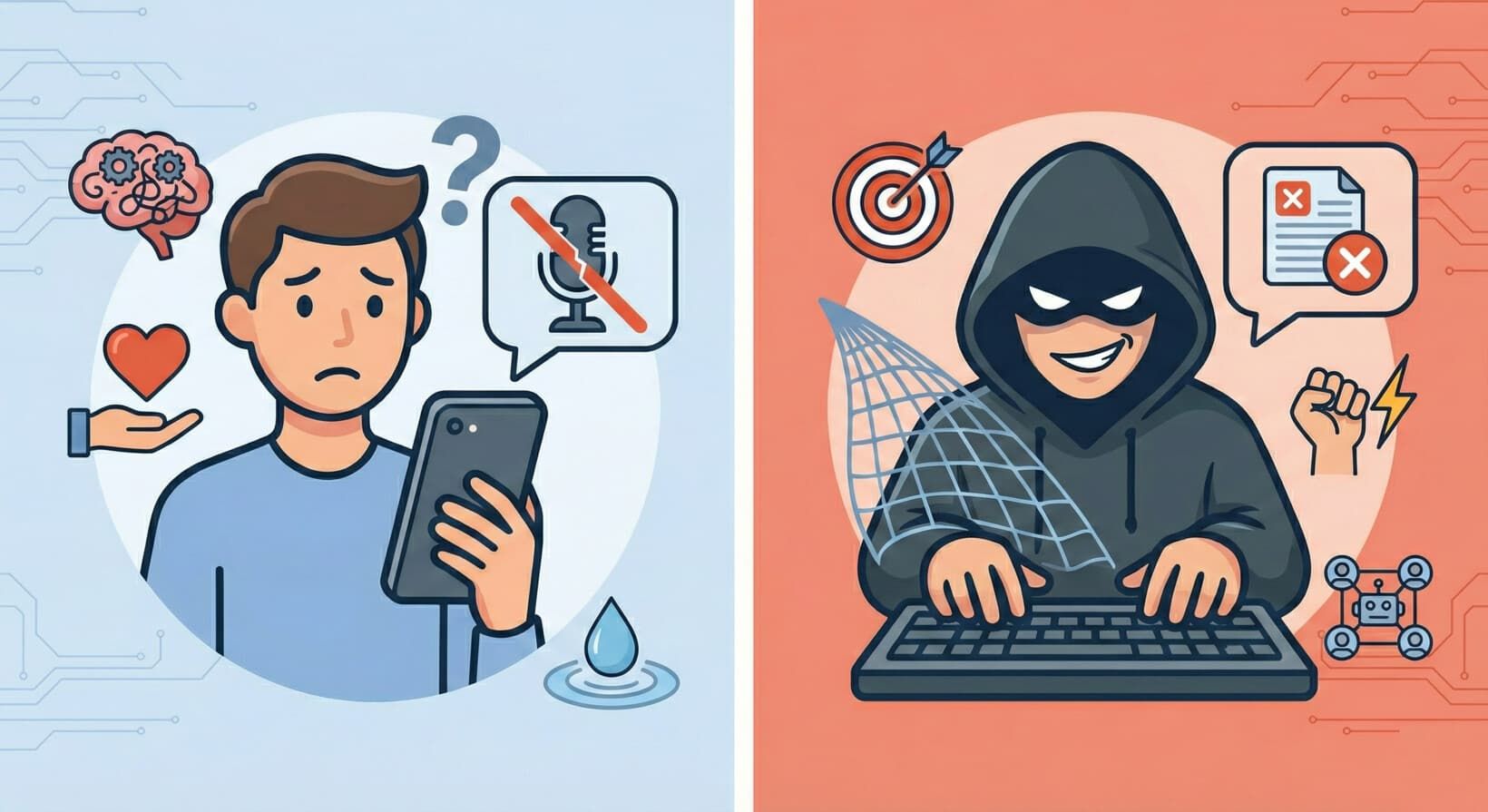
Misinformation is simply wrong information, but - and this is the crucial part - the person sharing it believes it’s true. There’s no bad intent there. It’s just a mistake.
Think about the early days of any crisis
Think about the early days of any crisis. Remember when everyone was forwarding messages saying that drinking hot water would kill a virus? That wasn’t a biological weapon attack; that was just people being scared and trying to help each other. Your aunt didn’t share that because she wanted to hurt you. She shared it because she loves you, and she was panicked.
We see this all the time. Reports get garbled. A journalist mishears a quote. A statistic from 2015 gets posted as if it’s from 2026. It happens. We are humans, and humans are messy. We have cognitive biases. We see a headline that agrees with what we already think, and we hit "share" before we actually read the article. That is the essence of misinformation vs disinformation - misinformation is often just a byproduct of our own laziness or emotion.
But here is the thing. Just because it’s innocent doesn’t mean it’s harmless. Misinformation clogs up the channels. It creates noise. When you are trying to find actual, life-saving information during an emergency, misinformation is the static that drowns out the signal. It’s a mess, but it’s an accidental mess.
What is disinformation?
Now, let’s talk about the stuff that pays my bills. What is disinformation?
Disinformation is not a mistake. It is a weapon. It is false information that is deliberately created and spread to deceive, manipulate, or cause harm.
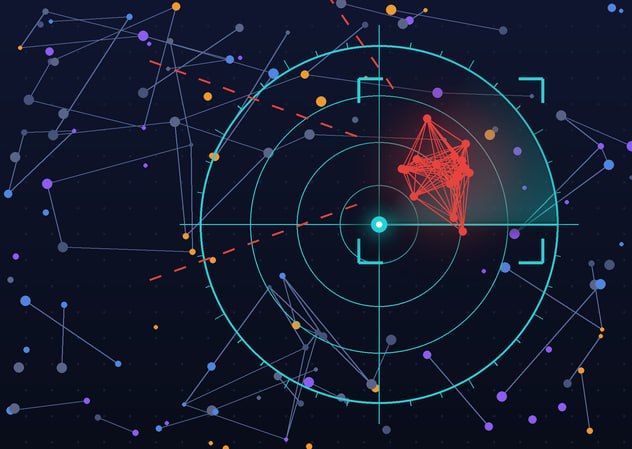
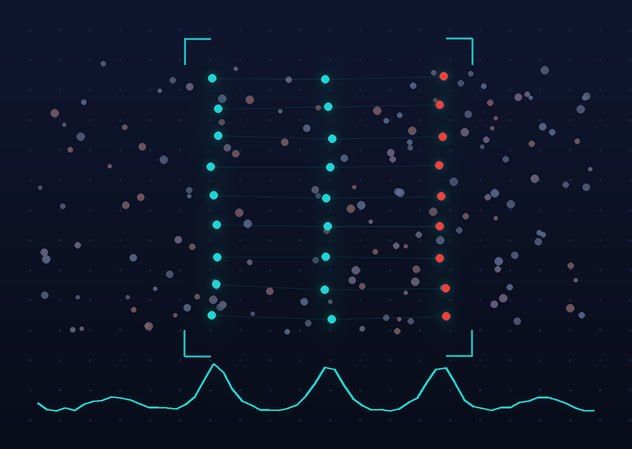
When we are tracking a disinformation campaign, we are not looking at a confused grandmother. We are looking at a structured operation. We are seeing bot farms, coordinated posting schedules, and narratives that have been A/B tested to see which one makes you the angriest. The people behind this know exactly what they are doing. They know the information is a lie. In fact, they engineered the lie specifically to exploit a crack in our society.
This is the tool of intelligence agencies
This is the tool of intelligence agencies, shady political consultants, and cyber-criminals. It’s cognitive warfare. The goal isn’t just to make you believe a lie; it is to make you doubt everything. If they can make you cynical, if they can make you think "well, nobody tells the truth anyway," then they have won.
For example, we often see disinformation vs disinformation narratives (where one fake story battles another) used to distract from a real event. Or take the deepfake technology we’re seeing now. If someone generates a fake audio clip of a CEO admitting to a crime to crash a stock price, that is disinformation. It’s cold, calculated, and usually involves a lot of money or geopolitical power.
What is the difference between misinformation and disinformation?
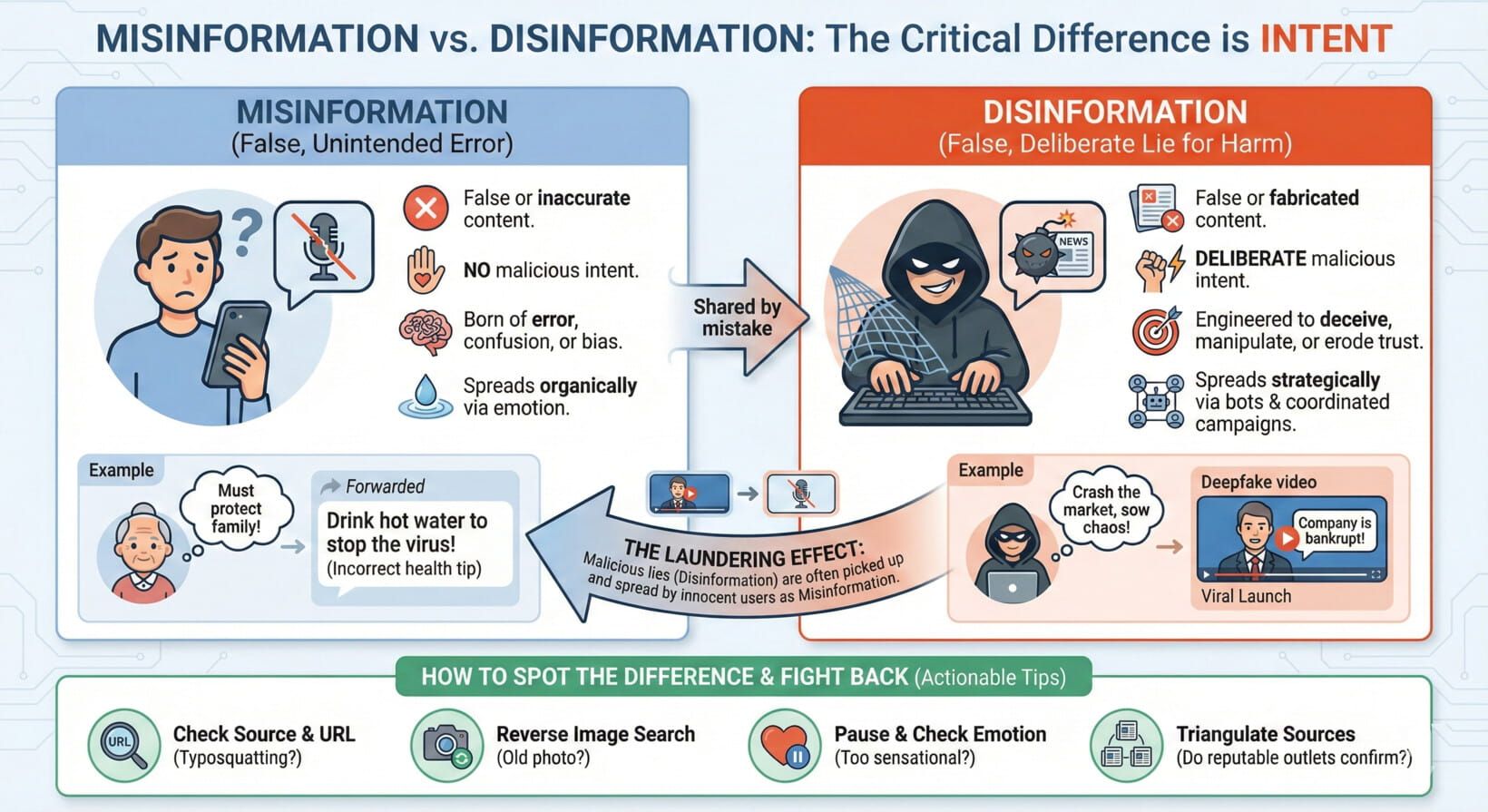
So, if you are scrolling through your feed, how do you distinguish the honest mistake from the information attack? What is the difference between misinformation and disinformation? It all comes down to one word - intent.
We’ve explained this to boards of directors and to my own students, and I always put it this way when discussing what is the difference between disinformation and misinformation:
- Misinformation is an error. It’s "I didn’t know."
- Disinformation is a lie. It’s "I know, and I’m using it against you."
This distinction changes everything about how we fight it. You can’t fight disinformation with just "fact-checking." The people creating it don’t care about facts. They aren’t interested in a debate. You have to fight it by exposing the network, revealing the funding, and showing people why they are being lied to.
On the other hand, you fight misinformation with empathy. You don’t yell at your friend for posting a fake rumor; you send them a better source. You help them understand.
The Gray Zone - How They Work Together
Here is where it gets really tricky, and where my background in network security really kicks in. The most sophisticated attackers know exactly how to weaponize innocent people.
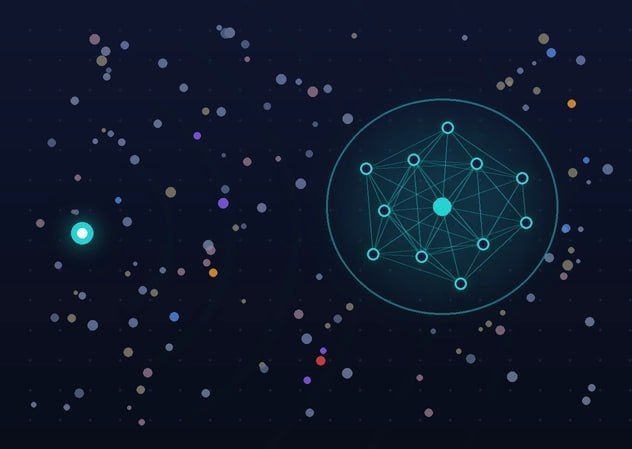
In the battle of misinformation vs disinformation, the attackers love to blur the lines. A common tactic I see is "laundering" a narrative. A bad actor (let’s say, a foreign intelligence unit) creates a piece of disinformation. They plant it on a sketchy website. Then, they use fake accounts to push it into mainstream conversations.
Eventually, a real person - maybe a celebrity, maybe just a loud influencer - sees it. They believe it. They get angry. They share it.
At that moment, the lie transforms. It started as disinformation (malicious intent), but now it is spreading as misinformation (innocent intent). The influencer isn’t a Russian agent; they are just a "useful idiot," to use the cold terminology of the trade. This makes attribution incredibly hard. When we use OSINT tools to trace the spread, we have to dig past the thousands of real people sharing it to find the patient zero who injected the virus in the first place.
Why Does This Matter to You?
You might be thinking, "I’m just a regular person, I’m not a target." Trust me, you are. We all are. If you are online, you are on the battlefield. Your attention, your vote, your money - that’s what they are after. Understanding what is the difference between misinformation and disinformation is your basic armor.
We are seeing a massive rise in what I call "participatory disinformation." This is where the initial lie is just a prompt, and the attackers rely on the public to fill in the gaps with their own conspiracies. It’s efficient. It’s cheap. And it’s terrifyingly effective.
In my PhD research, I looked a lot at how systems fail. Usually, systems fail because we ignore the weak points. Right now, the weak point is our emotional reaction to headlines.
Disinformation leverages that. It bypasses your logic and hits your amygdala - the lizard brain. It makes you feel fear or outrage before you have a chance to think. If a post makes you feel like you need to scream or hide immediately, there is a very high chance you are being played.
The Role of Technology (and AI)
I can’t write this without mentioning the elephant in the room - AI. I use AI tools; I analyze them. And I can tell you, the scale is about to change. Back in the day, if you wanted to write a thousand fake articles to flood the internet, you needed a building full of people typing away. Now? You need one script and an API key.
This means the volume of misinformation vs disinformation is going to explode. We are going to see highly personalized lies - disinformation tailored specifically to your browsing history and your fears. That’s why knowing the difference matters. You need to be able to pause and ask, "Who benefits if I believe this?"
How to Protect Yourself
I don’t want to leave you paranoid. Skeptical, yes. Paranoid, no. Here is how I handle it, and how I teach my family to handle it:
- Check the source, seriously. Not just the headline. Look at the URL. Is it bbc.com or bbc-news-live.site? Typosquatting is a classic move in disinformation vs misinformation distribution.
- Reverse Image Search is your friend. In OSINT, we live by this. If you see a shocking photo from a "war zone," drop it into Google Images or TinEye. Half the time, you’ll find it’s a photo from a movie set or a conflict that happened ten years ago.
- Watch your emotions. As I mentioned, if it makes you emotional, slow down. Disinformation is designed to trigger; truth is usually boring. Real news is often dry, complex, and unsatisfying. Fake news feels like a movie plot - heroes, villains, and simple answers.
- Triangulate. If one random blog says the banks are collapsing, but Reuters, Bloomberg, and the AP are silent, it’s probably a lie. Big news breaks everywhere at once.
Conclusion
We are building tools at Osavul to help brands and governments see these threats coming. But technology is only half the battle. The other half is you.
The distinction of misinformation vs disinformation isn’t just academic. It’s about understanding the intent behind the screen. One is a mistake; the other is a trap. In a world full of traps, keeping your eyes open is the only way to walk safely.
Don’t be a useful idiot. Verify before you share. Stay safe out there.