About the webinar
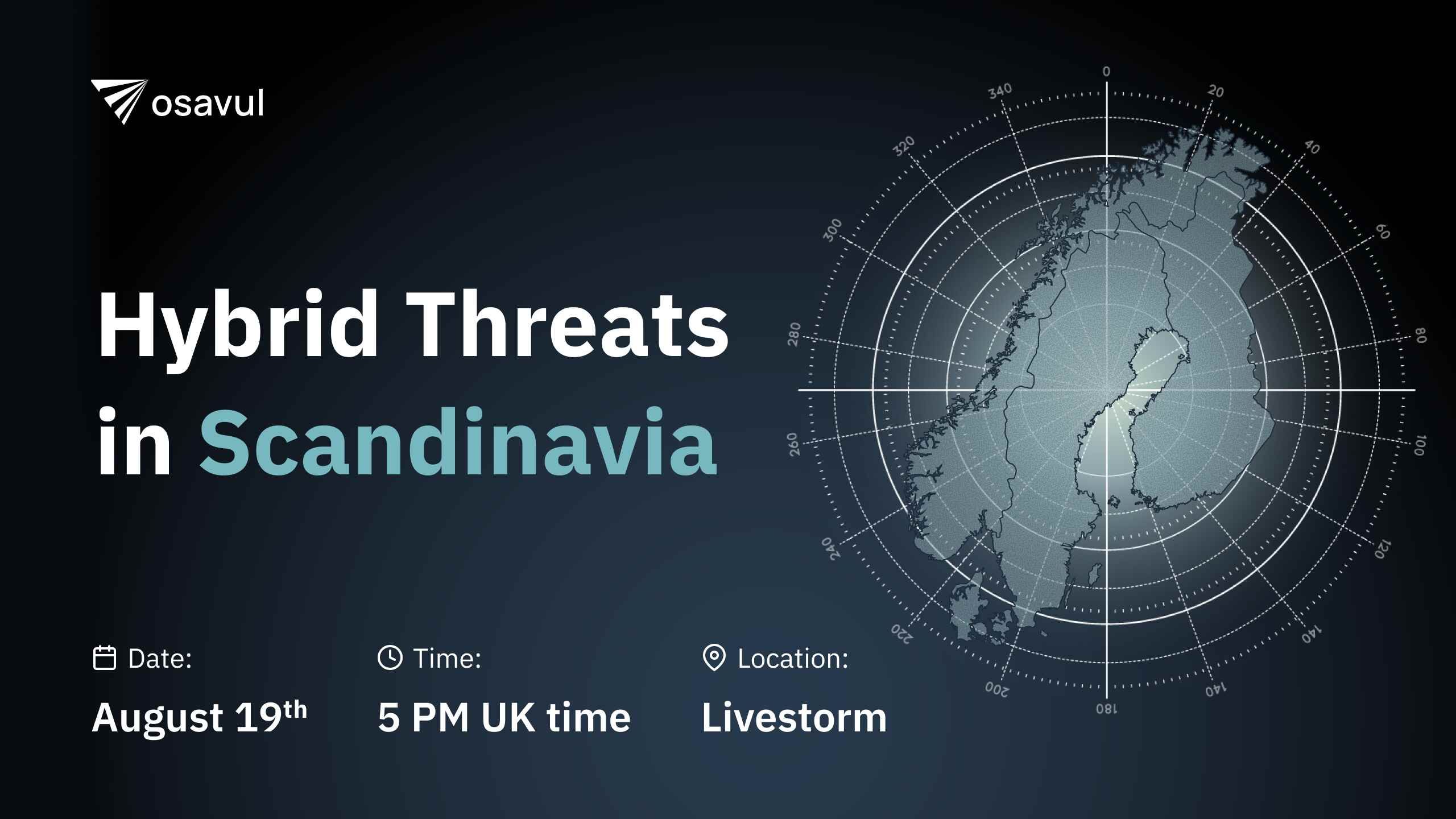
Europe's Scandinavian flank is becoming a testing ground for hybrid warfare. In 2026, the EEAS named the Baltic Sea and Arctic as priority targets for coordinated hybrid campaigns — and it's already playing out: Denmark has called a string of drone incursions over its airports and military bases a hybrid attack. Sweden's military intelligence warns of rising Russian activity ahead of its September 13 election, its first since joining NATO. Norway expects sabotage and espionage in the Arctic to intensify, alongside recurring GPS jamming over Svalbard. And in the Baltic Sea, a suspected shadow-fleet cable-sabotage case is still under investigation in Finland.
This session looks at how these campaigns — cyber, maritime, airspace, and information operations — work together across Denmark, Norway, and Sweden, and what the region is doing to detect and respond.
What we'll cover
- Structure and actors — Who is active in Scandinavia's hybrid threat landscape, and how physical operations — from undersea cable damage to airspace incursions — connect to coordinated information campaigns.
- Tactics, dynamics, and cases — The methods behind recent incidents across the region, and how they're designed to stay below the threshold of war.
- From detection to resilience — How these countries are building capacity to spot, attribute, and counter hybrid threats.
Meet our speakers
Etienne Soula is a Brussels-based research fellow with the South and Wider Europe Program at GMF. His research focuses on hybrid threats and economic security. He tracks how authoritarian actors use technology and infrastructure exports, supply chains, and investment to create dependencies and reshape global information spaces. He works across policy communities on both sides of the Atlantic and regularly briefs officials, lawmakers, and members of the media on approaches to authoritarian coercion and influence in Europe and the United States. Soula previously held positions at the Carnegie Endowment for International Peace, the Hudson Institute, and NATO.
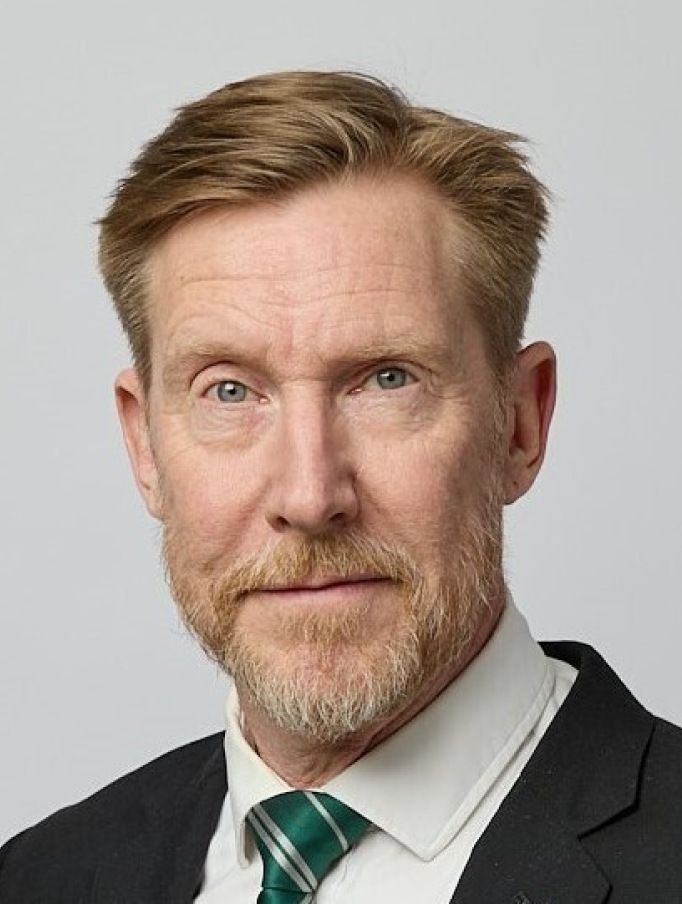
Nemo Stjernström has over 35 years´ experience working in communications, first as a Creative Director in the Swedish advertising industry with worldwide recognition and then as Communications Strategist for the Swedish Armed Forces. Nemo has taken part in numerous NATO staff exercises in the StratCom capacity and is now Head of Strategic Communications at the new Swedish Psychological Defence Agency.
This is a data-driven, analytical discussion grounded in real monitoring and field-tested methodologies, designed for analysts, policymakers, and security professionals working at the intersection of information, security, and resilience.