
If you work in cryptography or watch how hybrid warfare actually plays out, you notice pretty quickly how sloppy the language gets. The distinction that matters most—and gets missed most often—is the one between "foreign influence" and "foreign interference."
These are not synonyms. One is the standard operating procedure of international relations; the other is a hostile act designed to undermine sovereignty. Mixing them up is dangerous. It allows bad actors to hide behind the veneer of legitimate diplomacy while eroding trust in our institutions.
To build effective defenses, we must first establish clear definitions. This is why tools like Osavul's Nebula are vital for fighting FIMI effectively, moving us from passive observation to active defense.
What does foreign influence mean?
In the realm of international politics, influence is a neutral concept. It is the attempt by one state to shape the attitudes, decisions, or behaviors of another state’s government or population. This is the bedrock of diplomacy.
When a foreign ambassador writes an op-ed in a local newspaper advocating for a trade deal, that is foreign influence. When a country funds a cultural center to teach its language, that is influence. When a state leader publicly urges another nation to adopt a specific climate policy, that is also influence.
The key characteristic here is the transparency of foreign influence. It is attributable. You know who is speaking, what their agenda is, and you have the agency to accept or reject their premise. It operates in the open marketplace of ideas, utilizing "soft power" to persuade rather than coerce.

Crossing the Line: Defining FIMI Foreign Interference
Interference is where the line is crossed from persuasion to manipulation. It is coercive, deceptive, and covert. In the modern security landscape, this is best described by the term Foreign Information Manipulation and Interference (FIMI).
FIMI foreign interference is a pattern of behavior that threatens or has the potential to negatively impact values, procedures, and political processes. It is manipulative in nature and conducted in an intentional and coordinated manner by foreign actors, including their proxies.
Unlike influence, FIMI foreign interference does not seek to win an argument; it seeks to rig the debate. It involves the hidden funding of political parties, cyberattacks on election infrastructure, or the coordinated spread of disinformation by bot networks posing as local citizens. You can read more about the specifics in our detailed breakdown of Foreign Information Manipulation and Interference (FIMI).
The goal is to sow discord, erode trust in democratic institutions, and paralyze decision-making without the target population even realizing they are under attack.
What is foreign influence? (The Distinction)
To make the boundary absolute, we must revisit the question: What is foreign influence in direct contrast to interference?
If a foreign entity buys billboard space to promote their viewpoint, it is influence. If that same entity secretly pays local journalists to write favorable articles without disclosing the payment, it becomes interference.
If a foreign leader openly criticizes a domestic policy, it is an influence. If their intelligence service uses fake social media personas to amplify domestic polarization around that policy, it is FIMI foreign interference.
The critical differentiator is deception. Influence claims its space; interference hides its hand.
The Mechanics of Manipulation
From a technical perspective, FIMI foreign interference relies heavily on exploiting the architecture of our information ecosystem. Attacks are rarely singular events; they are campaigns.
We see coordinated "astroturfing," where thousands of fake accounts create an illusion of grassroots support for a divisive issue. We see "narrative laundering," where disinformation is planted in fringe outlets and then amplified through a chain of proxies until it reaches mainstream discourse, obscuring the original foreign source.
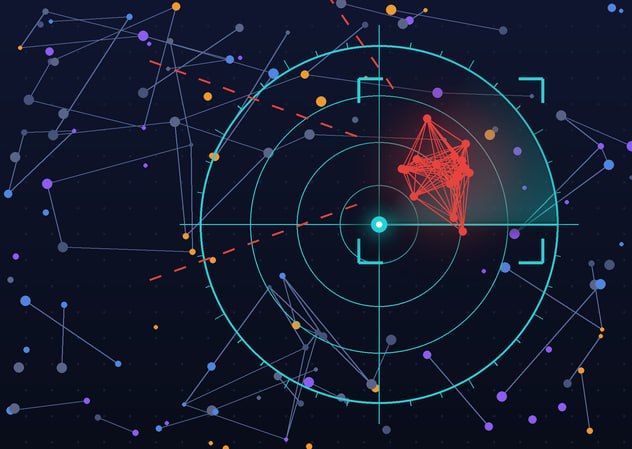
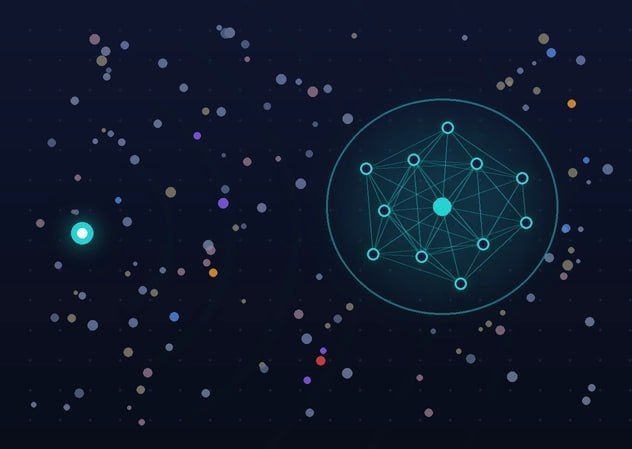
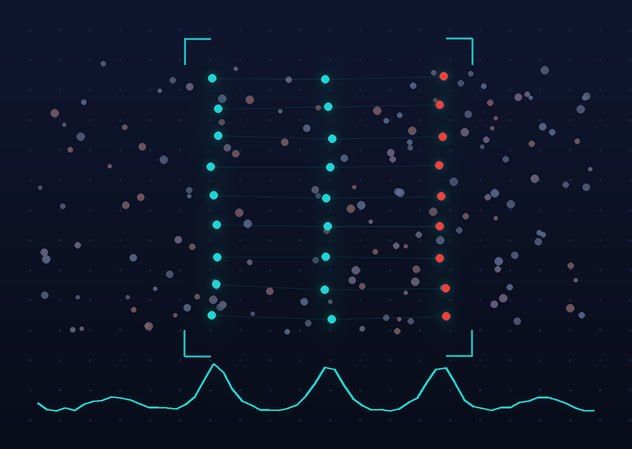
These techniques are designed to bypass our cognitive defenses. By the time a narrative reaches the average user, it looks organic. This is why standard fact-checking is often insufficient; we need to detect FIMI and disinformation by analyzing the behavior of the network, not just the content of individual messages.
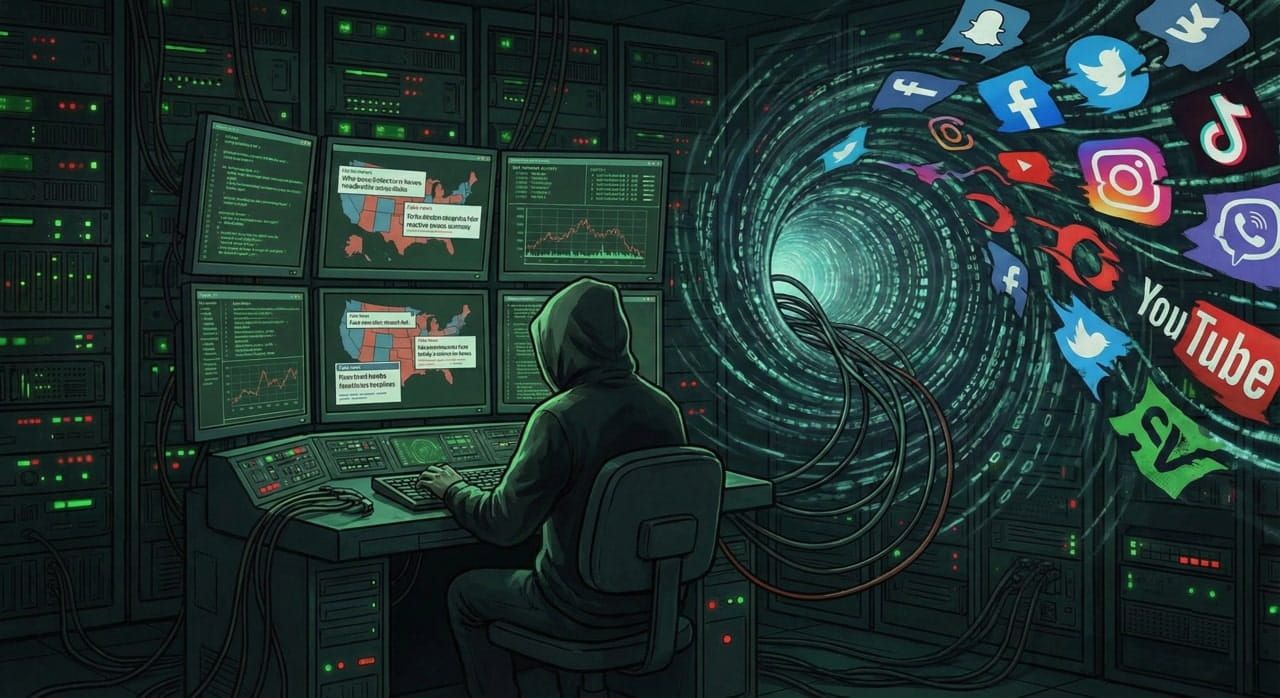
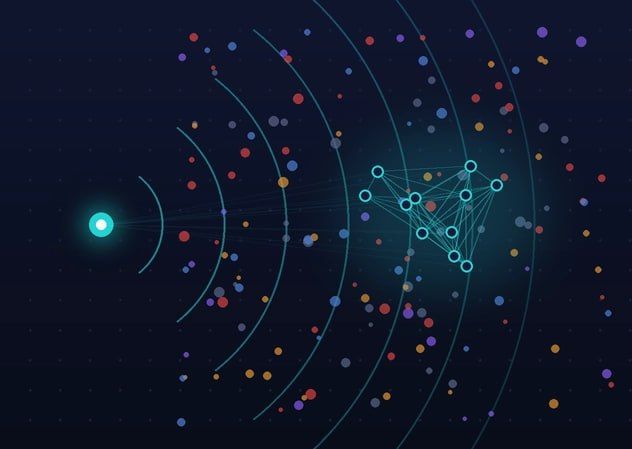
Above: FIMI actors utilize coordinated networks and technical manipulation to obscure their origins.
The EEAS Framework and FIMI
Recognizing the urgent need for common definitions, the European Union's External Action Service (EEAS) has been instrumental in formalizing the concept of Foreign Information Manipulation and Interference (FIMI). They have moved the conversation away from vague notions of "fake news" toward a structured understanding of adversarial behavior.
The EEAS framework helps categorize incidents based on intent and coordination. Below is a simplified comparison based on EEAS principles to illustrate the practical difference between legitimate diplomacy and FIMI foreign interference.
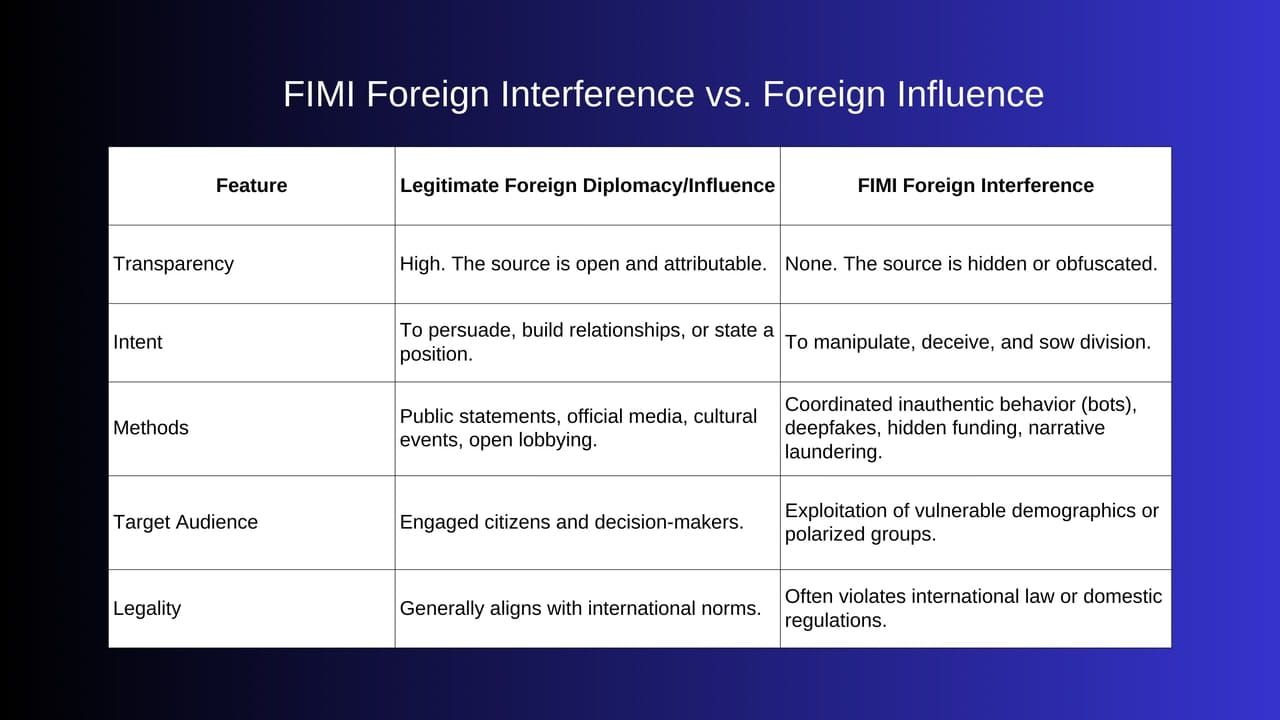
This structured approach is vital for creating a unified response among democratic nations. You can read more about how the EU built a FIMI hub to track and counter foreign information campaigns on our blog.
Why the Distinction Matters for Defence
Mistaking interference for influence is a strategic error. If we treat FIMI foreign interference as merely "another point of view" in the marketplace of ideas, we grant legitimacy to bad actors. We allow them to exploit our commitment to free speech to destroy free speech itself.
Conversely, labeling all foreign commentary as "interference" leads to isolationism and paranoia. We must be precise. We need the technical capability to expose the hidden networks of Foreign Information Manipulation and Interference (FIMI) while maintaining the democratic confidence to engage in open debate.
In Ukraine, we learned this lesson the hard way. We know that the battle for the information space is real. By demanding transparency and using advanced detection tools, we can protect the integrity of our discourse without closing our societies to the world.